Class Cross Design Embroidery Review
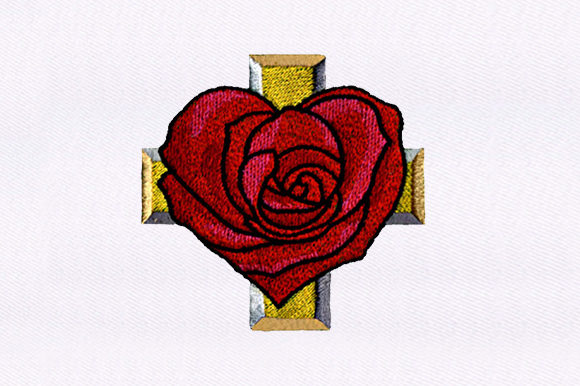
As an embroidery designer who has spent years turning digital files into tangible keepsakes, I know that the difference between a good gift and a beloved heirloom often comes down to one thing: the design itself. When browsing Creative Fabrica for new additions to my library, I look for pieces that balance aesthetic charm with technical reliability. Recently, I took a close look at the Class Cross Design, and it immediately caught my eye as a versatile option for personalization projects.
This is not just another generic religious icon; it carries a specific weight of meaning and visual softness that resonates deeply with today’s handmade market. Whether you are running a busy Etsy shop, crafting custom gifts for friends, or selling at local craft fairs, understanding how this machine embroidery design performs in real-world applications is crucial. Below, I break down why this file deserves a spot in your workflow and how you can use it to create high-value products.
First Impressions: Emotional Appeal and Visual Charm
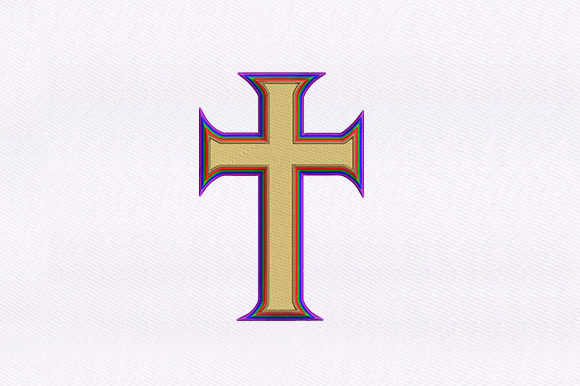
The first time I loaded the Class Cross Design into my digitizing software, I was struck by its clean lines and balanced composition. In the world of embroidery file formats, simplicity is often harder to achieve than complexity. This design manages to be elegant without being stiff. It feels warm, inviting, and timeless—qualities that are essential for items meant to be treasured for decades.
The visual style leans toward classic and cozy, making it incredibly adaptable. It does not scream for attention but rather invites the viewer to look closer. For a handmade product seller, this subtlety is a huge advantage. It allows the fabric choice and thread colors to take center stage while the design provides a meaningful anchor. Whether you are aiming for a sweet nursery vibe or a romantic wedding aesthetic, this cross fits seamlessly into both narratives.
I also appreciate the decorative style. It avoids overly dense clusters that might pucker delicate fabrics, instead opting for a stitch density that feels airy yet substantial. This suggests that the finished piece will lie flat and maintain its shape, even after multiple washes—a critical factor for customer satisfaction.
Perfect Projects for Personalized Gifts
One of the strongest selling points of the Class Cross Design is its versatility across various product categories. Here is how I see it shining in different hands-on scenarios:
- Baby Embroidery and Nursery Decor: A soft pastel thread on a muslin blanket or a cotton onesie creates an instant heirloom. The gentle nature of the design makes it perfect for baby showers, where parents are looking for something meaningful but not overwhelming.
- Wedding Gifts and Bridal Showers: Imagine this design embroidered on high-quality linen hand towels or pillow covers for a newlywed couple. It adds a touch of spiritual blessing and home warmth that many couples cherish. It works beautifully for "just married" gifts or anniversary keepsakes.
- Family Keepsakes and Home Decor: Use this on a sturdy apron for a family gathering or as a centerpiece on a dining room chair. It elevates simple home textiles into curated decor pieces.
- Etsy Listings and Craft Fair Products: For the Etsy seller or small business owner, this design offers a low-risk, high-reward item. It appeals to a broad audience, from religious communities to those who simply appreciate minimalist art.
The design also translates well to non-traditional canvases. Try it on a canvas tote bag for a church group event, or on a custom gift box lid for a boutique packaging experience. Its adaptability means you can test multiple niches without needing entirely new designs.
Practical Considerations for Stitching Success
While the design looks beautiful on screen, the magic happens under the needle. As a professional, I always advise testing before production. Here are some practical concerns to keep in mind when working with the Class Cross Design.
Fabric and Texture Challenges
Embroidering on textured fabrics like terry cloth towels or thick fleece blankets requires extra care. The looped texture of an embroidered towel can sometimes distort fine details. I recommend using a cut-away stabilizer to provide consistent support, ensuring the stitches do not sink into the fabric pile. Similarly, when stitching on stretchy baby clothes, a tear-away or wash-away stabilizer might be preferable to prevent puckering, though a light fusible interfacing can add necessary structure.
Thread Color and Contrast
The impact of this design relies heavily on thread colors. On dark fabric, you will need a high-contrast thread or an underlay stitch to make the cross pop. On white or cream fabrics, try variegated threads for a subtle, artistic effect, or stick to solid metallics for a touch of elegance. Always compare thread colors against your actual fabric swatch before committing to a full run.
Stabilizer Choice and Hoop Size
Confirm the recommended hoop size provided in the file details. Using the wrong hoop can lead to misalignment or unnecessary trimming. For most of these projects, a medium-sized hoop will suffice, but always check if the design includes jump stitches that might require clipping and re-hooping for optimal finish.
Building Trust Through Quality Presentation
In the competitive world of commercial embroidery, perceived quality drives sales. A poorly stitched design can ruin trust, while a crisp, clean execution builds brand loyalty. The Class Cross Design lends itself to high-quality presentation because of its clear geometry.
When photographing your finished products, let the design speak for itself. The emotional value of a cross motif often triggers a deeper connection with buyers, especially for personalized gift orders. Customers want to feel that they are giving something thoughtful. By showcasing the neatness of the stitches and the stability of the fabric, you reinforce the idea that your shop delivers premium craftsmanship.
Consider creating printable mockups that show the design on various backgrounds. This helps potential buyers visualize the final product, increasing engagement and conversion rates. The design’s neutral yet profound nature makes it easy to integrate into lifestyle imagery, whether that’s a rustic kitchen scene or a modern nursery.
Technical Details and Licensing
Before downloading and using any file, it is vital to review the specific technical specifications. The Class Cross Design is available in a wide range of embroidery file formats, including PES, JEF, DST, EXP, HUS, VP3, VIP, PEC, XXX, TAP, PCS, DSZ, DSB, CND, ART, and 10O. This extensive compatibility ensures that regardless of your machine brand, you can likely use this design.
However, please note that I have not verified the exact stitch count, specific hoop dimensions, or detailed license terms for commercial use in this review. These details vary by provider and must be confirmed directly on Creative Fabrica. Always read the product description carefully regarding usage rights, especially if you plan to sell finished items. Understanding the digital embroidery file licensing protects your business and respects the creator’s work.
Final Thoughts
The Class Cross Design is a standout addition for any embroiderer focused on heartfelt, personalized products. Its blend of classic symbolism and modern simplicity makes it a reliable choice for everything from baby embroidery to sophisticated wedding gift sets. By paying attention to fabric choices, stabilizers, and thread contrasts, you can ensure that every stitch-out reflects the highest standard of quality.
If you are looking to expand your offerings with designs that resonate emotionally and perform technically, this file is worth exploring. It embodies the spirit of handmade gifting: thoughtful, durable, and beautifully crafted. Take the time to test it, experiment with your own color palettes, and watch how this simple yet powerful motif transforms ordinary textiles into extraordinary memories.