Green Vintage Car Design Review
As an embroidery designer who spends countless hours testing digital files before they hit the shop floor, I approach every new design with a mix of excitement and skepticism. When Green Vintage Car Design landed in my inbox, I knew immediately that this wasn't just another decorative element; it was a potential bestseller for personalized gift products. Whether you are an Etsy seller looking to expand your nursery collection or a small business owner crafting bespoke wedding favors, understanding the nuances of a file is crucial. This review breaks down how this specific machine embroidery design performs when translated from screen to fabric, focusing on its viability for high-value customer orders.
First Impressions: Mood and Visual Appeal
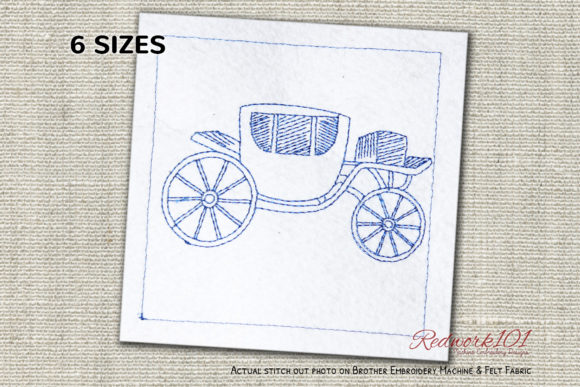
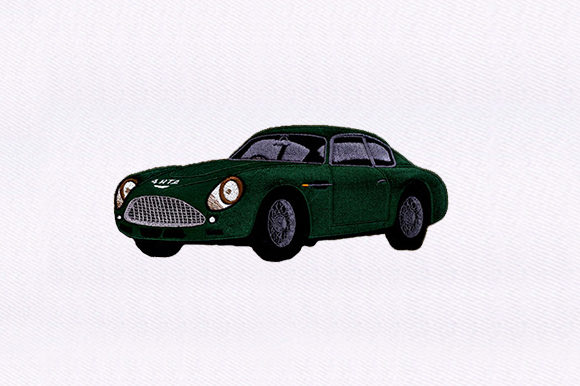
The moment you open the embroidery file, the charm of the Green Vintage Car Design is undeniable. It strikes a perfect balance between playful nostalgia and elegant simplicity. The vintage automobile motif evokes a sense of timeless romance, making it incredibly versatile. It doesn’t scream for attention but rather whispers a story of classic journeys and cherished memories. For a personalized gift, this emotional resonance is key. Customers aren’t just buying a car; they are buying a sentiment.
The color palette, centered around various shades of green, suggests freshness, growth, and stability. In the context of Transportation themed items, this feels less industrial and more organic, fitting seamlessly into bohemian, rustic, or mid-century modern aesthetics. The detail level is sophisticated without being overwhelming. It captures the essence of a classic vehicle—the curves of the fenders, the shape of the body—without requiring excessive stitching that might bog down production time. This makes it an ideal candidate for handmade product lines where efficiency meets quality.
Product Applications and Market Fit
One of the strongest selling points of this design is its adaptability across multiple categories. Here is how I envision Green Vintage Car Design performing on real-world projects:
- Baby Embryology and Nursery Decor: A soft green vintage car is perfect for a gender-neutral baby blanket or a crib bumper. It appeals to parents who want something unique that isn’t overly childish. The design adds a touch of whimsy to a nursery, serving as a focal point on a quilt or wall hanging.
- Wedding Keepsakes: Imagine this design embroidered on a high-quality linen pillow cover for the newlyweds’ first home. It can symbolize their journey together. It also works beautifully on custom aprons for couples who love to cook, adding a personal touch to kitchen gifts.
- Personalized Towels: An embroidered towel featuring this design would make a fantastic housewarming gift. The clean lines of the car contrast nicely with the texture of terry cloth, provided the correct stabilizer is used.
- Etsy Seller Listings: For digital sellers offering printable mockups, this design offers excellent visual appeal. It photographs well against neutral backgrounds like beige, white, or light grey fabrics, allowing the green tones to pop. This increases click-through rates and buyer engagement on platforms like Etsy.
- Custom Tote Bags: On a canvas tote, the design reads as chic and artistic. It transforms a utilitarian item into a fashion statement, appealing to young professionals and students alike.
Target Audience Insights
The ideal customer for Green Vintage Car Design is someone who values craftsmanship and storytelling. They are likely small shop product creators who understand that buyers connect with designs that feel curated. By using this file, you attract customers looking for custom embroidery that stands out from mass-produced merchandise. It positions your brand as one that cares about aesthetic cohesion and emotional value.
Technical Considerations and Potential Pitfalls
While the design is charming, no file is perfect, and transparency is vital for maintaining customer trust. There are specific scenarios where Green Vintage Car Design requires careful handling to ensure a professional finish.
- Fabric Texture and Thickness: Thick towels or heavily textured fabrics can obscure fine details. If the design includes small lettering or delicate wire-like elements, these may get lost in the weave of a chunky knit blanket or a heavy-duty work apron. Always test on scrap fabric that matches the final product’s weight.
- Stretchy Materials: When embroidering on stretchy baby clothes or jersey knits, stitch distortion is a common risk. Without proper tear-away or cut-away stabilizers, the car shape may pucker or warp. Confirm your hoop size and stabilizer choice to maintain the integrity of the design.
- Color Contrast: The green tones in the design need sufficient contrast against the background fabric. On dark fabric, standard green threads may appear muddy or invisible. You must compare light and dark fabric mockups to determine if metallic or bright accent threads are needed to define the car’s features.
- Small Details: If the design contains very small text or intricate shading, review the stitch density closely. On low-density machines, these areas might look sparse. Conversely, on high-density settings, they might become stiff and uncomfortable to the touch, especially on a blanket embroidery project intended for a baby.
- Curved Surfaces: Attempting to embroider this flat design onto curved surfaces like baseball caps or rounded pillow corners can lead to misalignment. It is best suited for flat surfaces like tote bags, placemats, or folded blankets.
Maximizing Perceived Value and Trust
In the world of online sales, the perceived value of a finished product is directly linked to the quality of the embroidery. A poorly stitched design can make even the most expensive fabric look cheap. By meticulously testing Green Vintage Car Design, you demonstrate professionalism. When customers see crisp edges, consistent tension, and vibrant thread colors, their trust in your brand grows.
This design enhances the emotional connection because it looks intentional and polished. It suggests that the maker took care. For wedding gift designers, this attention to detail is non-negotiable. Clients expect perfection for such significant occasions. Using a tested, reliable file ensures that your reputation remains intact.
Practical Pre-Production Checklist
Before committing to bulk production or listing the item on your shop, follow these steps:
- Test on Scrap Fabric: Never assume a design will work perfectly on the final material. Stitch it out on the exact fabric type you plan to sell.
- Check Thread Colors: Ensure the thread spools you have match the intended aesthetic. Green can range from sage to emerald; choose the shade that best fits your brand identity.
- Confirm Hoop Size: Verify that the design dimensions fit comfortably within your machine’s standard hoops to avoid unnecessary re-hooping.
- Review Stitch Density: Adjust density settings if necessary to prevent fabric puckering or thread breakage.
- Verify Commercial Licensing: Although the file formats include 10O, ART, CND, DSB, DST, DSZ, EXP, HUS, JEF, PEC, PES, TAP, VIP, VP3, and XXX, always double-check the license agreement. Ensure you have the right to sell finished goods created with this digital embroidery file. Unauthorized commercial use can lead to serious legal issues.
Final Thoughts
Green Vintage Car Design is a versatile, emotionally resonant asset for any embroidery business. Its classic appeal bridges the gap between modern minimalism and nostalgic warmth, making it suitable for a wide array of personalized gift products. From baby embroidery projects to wedding keepsakes, this design has the potential to drive sales and delight customers. However, success lies in the execution. By respecting the technical limitations regarding fabric texture, stitch density, and licensing, you can transform this digital pattern into a tangible masterpiece that embodies the heart of handmade commerce.