Savage Wolf Embroidery Review for Boutique Apparel
As an embroidery designer who spends countless hours digitizing and testing files, I am always looking for that perfect balance between artistic flair and commercial viability. When I stumbled upon the Savage Wolf design on Creative Fabrica, I immediately saw its potential for a specific niche: the modern, edgy yet approachable streetwear market. This review is based on my experience evaluating this machine embroidery design for a hypothetical boutique sweatshirt collection, focusing on how it translates from digital file to finished garment.
First Impressions: Visual Personality and Mood
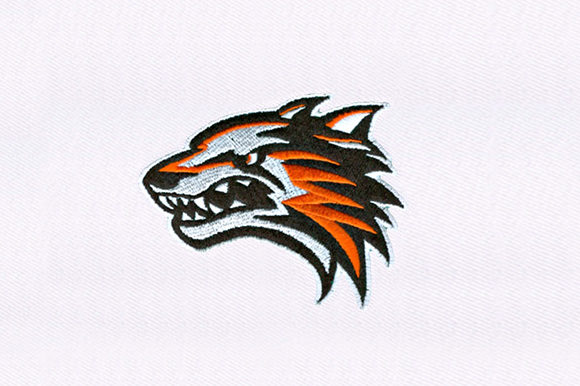
The first thing that strikes you about Savage Wolf is its visual personality. It does not feel like a generic clip-art animal; instead, it carries a distinct mood that feels both premium and bold. The stitching lines suggest a high level of detail, capturing the intensity of a wolf’s gaze without becoming overly cluttered. For designers building a brand identity, this kind of character is invaluable. It sits comfortably in the "bold" and "trendy" categories while retaining a classic appeal that won’t feel outdated next season.
The design type falls under Wild Animals, but it transcends simple nature themes. It has a decorative strength that works well for lifestyle product photos and social media graphics. Whether you are aiming for a rustic, playful, or minimal aesthetic, Savage Wolf offers versatility. It feels less like a cute cartoon and more like a statement piece, which is crucial for attracting customers who want their handmade products to stand out on platforms like Etsy or Instagram.
Application on Sweatshirts and Hoodies
Sweatshirt embroidery is one of the most profitable segments in custom apparel, and Savage Wolf is particularly well-suited for this medium. Imagine placing this design on a neutral heather grey hoodie or a soft pastel pink oversized sweatshirt. The contrast would be striking, especially if paired with complementary thread colors that highlight the eye details.
For a small clothing brand, this design can serve multiple purposes:
- Chest Placement: A left-chest placement offers a subtle, branded look that appeals to everyday wearers. It works beautifully on t-shirt embroidery as well, provided the fabric is stable.
- Back Designs: On the back of a hoodie, the design can take center stage. It adds weight and presence to the garment, making it feel like a high-end boutique item rather than mass-produced merchandise.
- Sleeve Accents: For a trendy twist, a smaller version of the wolf could be placed on the sleeve cuff or shoulder, adding a unique touch to standard hoodies.
When considering dark garments, such as black or navy blue hoodies, the choice of thread color becomes critical. Lighter threads will pop against the dark fabric, creating a sharp, modern contrast. However, careful planning is needed to ensure the design remains legible and doesn’t get lost in the shadows.
Versatility Beyond Apparel
While sweatshirts are a primary target, Savage Wolf is not limited to them. It performs exceptionally well on denim jackets, where the rugged texture of the fabric complements the wild theme. Tote bags are another excellent option; the sturdy canvas holds the stitches well, making it a perfect accessory for coffee shops, bookstores, or lifestyle brands. Additionally, this design can be used for printable mockups, allowing digital sellers to showcase their designs before committing to physical production.
Practical Considerations and Potential Pitfalls
Every embroidery designer knows that a beautiful design can fail due to poor execution. Here are some areas where you need to exercise caution when using Savage Wolf.
Fabric Texture and Stability: Fleece and ribbed fabrics can be tricky. The loopiness of fleece may obscure fine stitch details, so a heavy-duty stabilizer is essential to prevent shifting. Ribbed fabric, often found on cuffs and collars, stretches significantly. Placing dense stitch areas here can cause puckering or distortion over time. Always test on scrap fabric that matches your final garment material.
Dense Stitch Areas: While the design is detailed, certain sections may have higher stitch density. If your machine struggles with thick layers, you might encounter needle breakage or thread tension issues. Inspect the stitch density closely before running large batches. If the design feels too heavy for lightweight t-shirts, consider reducing the size slightly or simplifying the background elements if possible.
Curved Surfaces: Embroidering on curved surfaces, such as the shoulders of a raglan tee or the body of a hat, requires skill. Savage Wolf’s linear elements might distort if not anchored properly. Use appropriate hooping techniques and consider using tear-away or cut-away stabilizers depending on the fabric’s stretchiness.
Impact on Brand Identity and Product Value
Incorporating a high-quality design like Savage Wolf into your inventory can significantly boost your brand’s perceived value. Customers associate professional presentation with trust. When a buyer sees clean stitches, proper alignment, and thoughtful thread color choices, they are more likely to believe in the quality of your entire product line.
For Etsy sellers and small shop owners, consistency is key. Using a cohesive style across your listings helps build recognition. Savage Wolf fits well within a broader collection of wild-themed or streetwear-inspired items. It enhances visual consistency and encourages customer engagement by offering a product that feels both personal and professionally made.
Designer Notes for Production
Before adding Savage Wolf to your commercial embroidery workflow, keep these practical steps in mind:
- Test Run: Always embroider a test sample on scrap fabric. Check for any registration errors or thread breaks.
- Stabilizer Choice: Select a stabilizer that matches the weight and stretch of your garment. For heavy sweatshirts, a cut-away stabilizer provides long-term durability.
- Thread Color Contrast: Experiment with different thread colors to see what best highlights the design’s features. Metallic or variegated threads can add extra flair but may require adjusted tension settings.
- Hoop Size Confirmation: Verify that your hoop size accommodates the full design dimensions. If the design is large, you may need to reposition it during hooping to avoid edge interference.
- Licensing Review: Although Creative Fabrica offers extensive libraries, always double-check the licensing terms for each file. Ensure you have the right to use Savage Wolf for commercial purposes, especially if you plan to sell finished apparel.
The Savage Wolf design comes in a wide range of formats, including PES, DST, JEF, and EXP, making it compatible with most major embroidery machines. This versatility allows you to work seamlessly across different studio setups.
Final Thoughts
Savage Wolf is a strong contender for anyone looking to expand their boutique apparel offerings. Its bold aesthetic, combined with its adaptability across various garments like hoodies, tote bags, and denim jackets, makes it a valuable asset for creative entrepreneurs. By paying attention to fabric selection, stabilizer usage, and thread contrast, you can transform this digital embroidery file into a stunning finished product that resonates with your audience. Whether you are an experienced digitizer or a new Etsy seller, this design offers a reliable path to creating memorable, high-quality custom apparel.