★★★★☆4.4(74 reviews)
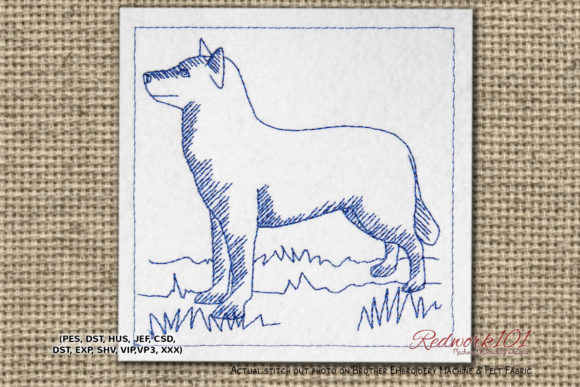
Siberian Husky Lineart for Embroidery: A Business Design Review
Business Applications and Use Cases
- Embroidered Patches: This design works well as a patch for tote bags, jackets, or even product packaging. Its lineart nature allows for easy customization with thread colors, helping your brand stand out without being too flashy.
- Chest Logo Accent: On staff uniforms or customer gifts, the Husky’s silhouette adds a touch of personality without overpowering the rest of the garment. It's subtle enough for daily wear but distinctive enough to build brand recognition.
- Sleeve Detail: As a secondary design element on sleeves of work shirts or boutique tees, it reinforces your brand subtly and stylishly.
- Cap Embroidery: When placed on the front of caps, the design needs to be simplified and scaled appropriately. However, if done right, it can serve as a memorable emblem for your team or event merch.
- Tote Bag Mark: The design fits naturally on tote bags, especially when used in a single color or paired with minimal text. It adds a handmade feel that resonates with eco-conscious or artisan-focused audiences.
- Apron Embroidery: For a bakery, café, or craft shop apron, this design offers a charming visual anchor. It conveys warmth and creativity, aligning well with lifestyle brands.
- Product Packaging Accents: Incorporating the Siberian Husky into labels or tags gives your handmade products a cohesive and recognizable look.
- Boutique Merchandise: From custom hoodies to branded pillows, the design maintains a consistent aesthetic that supports a premium handmade image.
- Customer Gifts & Event Merch: Used on promotional items like keychains or lanyards, the lineart design adds a playful yet polished touch to giveaways.
- Etsy Branding: If you're an Etsy seller or handmade brand, this design is great for store logos, packaging wraps, or listing thumbnails. It complements a handcrafted vibe effectively.
- Commercial Embroidery Projects: With proper preparation, the design can scale up for banners or large signage, maintaining clarity and impact across different formats.
Where to Use Carefully
- Small Patch Sizes: The fine lines may not hold up well at very small scales. Always test how it looks on a 2" x 2" patch before finalizing production.
- Cap Fronts: Due to limited space and curved surfaces, scaling and placement must be precise. Consider using only the head portion for cap embroidery.
- Curved Surfaces: The design's outlines might distort slightly on curved areas like sleeves or bags. Adjust the layout or simplify the shape accordingly.
- Tiny Lettering: If the design includes any text (not indicated in the description), make sure it's legible at smaller sizes. Otherwise, pair it with clear typography separately.
- High Stitch Density: Since the outer box is optional, you can reduce stitch count by omitting it. But if included, be cautious about fabric tension and potential puckering.
- Textured Fabric: Textured materials such as canvas or denim may obscure some details. Opt for smoother fabrics like cotton or polyester blends for better visibility.
- Dark Uniforms: Thread color contrast becomes critical here. Choose lighter threads or metallic options to make the design pop against darker backgrounds.
- Frequent Washing Items: Garments like aprons or work shirts need durable stitching. Ensure the design uses appropriate stabilizers and thread types to withstand regular use.
Design Notes for Embroidery Shops and Product Creators
- Test in Black and White First: Confirm that the design reads clearly without color before committing to a thread scheme.
- Check Small Patch Performance: Print a sample at 1" x 1" to see if the details remain visible and appealing.
- Review Thread Color Contrast: Especially important for dark garments. Consider using white or silver threads for a bold statement.
- Inspect Spacing and Proportions: Make sure the design is balanced and won't appear cramped or stretched when applied.
- Confirm Hoop Size: Without exact dimensions provided, check the design file to determine if it fits within standard hoops for your equipment.
- Use Proper Stabilizer: To avoid distortion during stitching, especially on stretchy or thick fabrics, choose the right stabilizer type (cutaway or tear-away).
- Create a Mockup: Show clients how the design will look on their chosen item—whether it's a tote bag, cap, or apron. This builds confidence and reduces revisions.
- Compare with Other Design Assets: Ensure the Husky design harmonizes with your logo, fonts, and other visuals for a cohesive brand presentation.
- Confirm Commercial Licensing: Before using this digital embroidery file for commercial purposes, verify that you have the necessary license to do so legally.
⬇️ Download Free
Free download · No sign-up required
🔗 You Might Also Like
Dogs
As an experienced embroidery designer, I spend my days evaluating digital assets...
Dogs
First Impressions: A Strong and Adorable Statement The English Mastiff Dog embro...
Dogs
First Impressions: A Bold and Friendly Brand Statement As an experienced embroid...
Dogs
First Impressions: A Delightful and Versatile Design As an experienced embroider...
Dogs
As an experienced embroidery designer, I often find myself sifting through Creat...
