White Tailed Deer Design Review
As an embroidery designer who spends hours evaluating digital assets for boutique collections, I am always looking for designs that bridge the gap between rustic charm and modern apparel aesthetics. Recently, I examined the White Tailed Deer Design available on Creative Fabrica to see if it fits into a cohesive line of sweatshirts and hoodies for my small shop. This review breaks down how this machine embroidery design performs in real-world applications, from fabric selection to final presentation.
First Impressions and Visual Mood
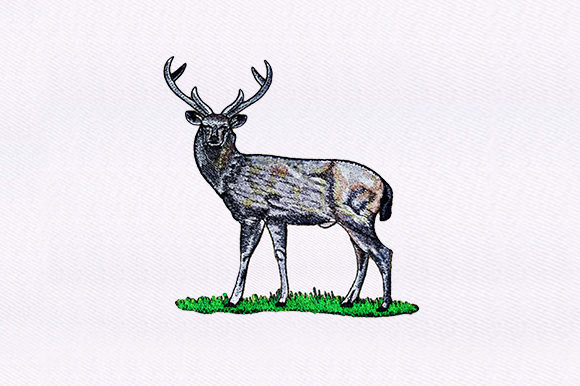
The White Tailed Deer Design immediately strikes me as a versatile piece within the Woodland Animals category. It carries a visual personality that is both classic and slightly playful, making it suitable for a wide range of brand identities. The detail level is sufficient to convey texture without becoming overly cluttered, which is crucial when scaling the design down for smaller placements or up for statement back prints.
When viewing the file, the stitching mood feels premium yet approachable. It avoids being too cute or juvenile, leaning instead toward a sophisticated rustic vibe. This balance is essential for targeting adult demographics who want their handmade products to look professional rather than craft-store generic. The decorative strength lies in its clean lines and balanced composition, allowing it to stand out against various fabric textures without overwhelming the garment’s silhouette.
Application on Boutique Apparel
I have been planning a small collection focused on cozy seasonal outfits, and this design offers several exciting possibilities for custom apparel projects.
Sweatshirt and Hoodie Projects
The most natural fit for the White Tailed Deer Design is undoubtedly sweatshirt embroidery. On neutral heather gray or oatmeal-colored crewnecks, the design pops with subtle elegance. For hoodie chest placement, it serves as a perfect focal point, offering enough visual weight to draw the eye without dominating the wearer’s frame. I also envision using it for sleeve accents, where a smaller iteration adds a delightful touch of detail to oversized garments.
For a bolder statement, placing the design on the back of a dark navy or forest green hoodie creates a striking contrast. This layout works exceptionally well for lifestyle product photos, as it allows the design to be showcased fully while maintaining a clean front aesthetic. Additionally, experimenting with pastel hoodies like blush pink or sage green can soften the woodland theme, appealing to buyers looking for trendy, feminine pieces.
T-Shirts, Denim, and Accessories
Beyond heavy knitwear, this embroidery file translates well to lighter fabrics. On cotton t-shirts, it provides a casual, everyday look that appeals to a broad audience. I also see potential in applying the design to denim jackets, where the rugged texture of the fabric complements the rustic nature of the deer motif. This combination can elevate a basic jacket into a unique, high-value item for an Etsy seller.
Furthermore, the design’s scalability makes it ideal for tote bags. A centered placement on a canvas tote bag reinforces the handmade product appeal, creating a cohesive brand identity across multiple merchandise types. Whether used for daily carry or as a promotional item, the White Tailed Deer Design adds a layer of artisanal quality that customers appreciate.
Strategic Value for Small Brands
Incorporating this design into your commercial embroidery lineup can significantly impact your brand’s perceived value. Consistent use of high-quality motifs helps build buyer trust and product recognition. When customers see a unified aesthetic across your t-shirt embroidery, hoodie design, and accessory offerings, they are more likely to view your shop as a legitimate boutique brand.
The design also enhances visual consistency in your social media graphics and printable mockups. A strong central image like this deer motif allows for easy integration into marketing materials, ensuring that your online presence looks polished and professional. For digital sellers and creative entrepreneurs, having a reliable, versatile asset saves time and ensures that your finished product meets high standards of excellence.
Practical Considerations and Limitations
While the White Tailed Deer Design is highly adaptable, there are specific areas where careful execution is required to maintain quality.
- Fabric Texture and Stretch: Avoid placing dense stitch areas on highly stretchy fabrics or ribbed sections unless you use appropriate stabilizers. Fleece interiors can sometimes cause thread bunching if not hooped correctly.
- Placement Constraints: Small chest placements may lose detail if the design is scaled down too far. Similarly, curved surfaces like hat brims or tight sleeves require precise digitizing adjustments to prevent distortion.
- Color Contrast: On dark garments, ensure your thread colors provide enough contrast. Light threads may get lost in black or deep charcoal fabrics, so test color combinations before committing to large runs.
- Lettering and Details: If the design includes tiny lettering, verify that the stitch density supports fine details. Areas that wrinkle easily during the hooping process should be avoided to prevent puckering.
Designer Notes for Production
Before integrating this embroidery file into your production workflow, I recommend taking the following steps to ensure optimal results:
- Test on Scrap Fabric: Always run a test stitch-out on scrap fabric similar to your final garment material. This helps identify any tension issues or thread breakage risks.
- Check Stabilizer Choice: Select the correct stabilizer based on the fabric weight. Cut-away stabilizers are generally preferred for knitwear like sweatshirts to prevent stretching over time.
- Review Thread Color Contrast: Experiment with different thread colors to see how they interact with your chosen fabric. Neutral tones often work best for showcasing the design’s detail.
- Confirm Hoop Size: Ensure your machine’s hoop size accommodates the design dimensions. If the design exceeds your standard hoop, plan for multi-hoop digitizing or repositioning.
- Inspect Stitch Density: Look closely at the stitch density in the file. Areas with excessive density may require trimming or reducing to avoid bulkiness.
- Compare Placement Options: Try different placements on actual garments to determine what looks best visually. Center chest, left chest, and back placements each offer distinct aesthetic benefits.
- Verify Licensing: Check Creative Fabrica product details and licensing terms before selling finished apparel. Understanding commercial rights is crucial for protecting your business.
The White Tailed Deer Design comes in a wide array of formats, including 10O, ART, CND, DSB, DST, DSZ, EXP, HUS, JEF, PCS, PEC, PES, TAP, VIP, VP3, and XXX. This extensive compatibility means you can likely use it with most major embroidery machines, but always double-check your specific machine’s requirements. By paying attention to these practical details, you can transform a simple digital file into a standout piece of boutique merchandise that resonates with your customers.