Angelic Snowman Bertie: A Designer’s Review for Craft Fair Success
As an embroidery designer who spends weekends hunched over a table at craft fairs, I have learned one hard truth: customers do not buy files. They buy the finished product sitting in front of them. When I evaluate a new machine embroidery design, my first question is always practical. Will this sell? Does it photograph well? Is it easy to produce in a batch without causing me stress?
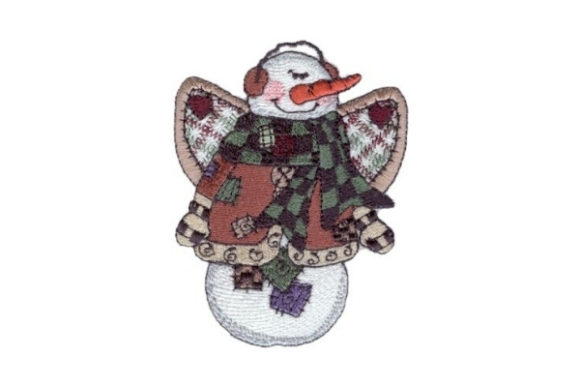
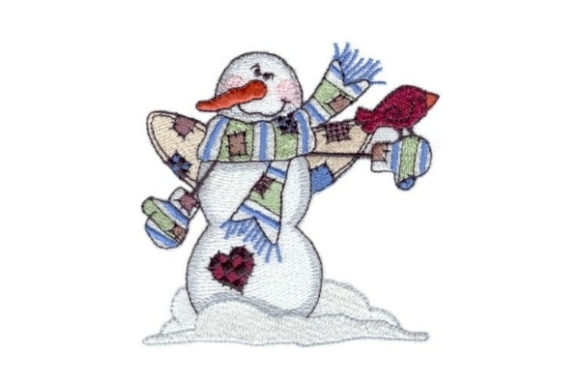
This season, I am reviewing Angelic Snowman Bertie. The title suggests something soft, festive, and perhaps a bit whimsical. For a handmade business owner or an Etsy seller, winter themes are high-stakes. You have a short window to capture attention before the holidays end. Here is my honest assessment of how Angelic Snowman Bertie performs as a commercial asset for your booth.
First Impressions and Visual Appeal
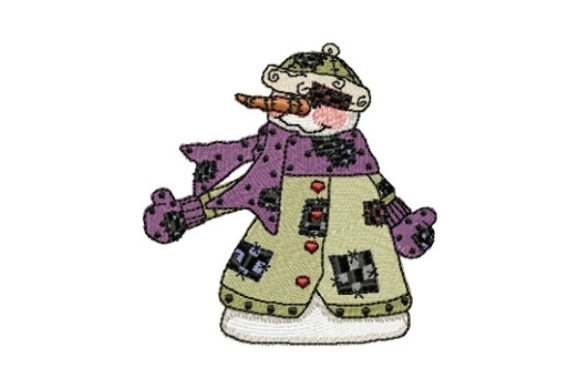
The name Angelic Snowman Bertie immediately sets a tone. It is not aggressive or overly modern; it feels cozy, rustic, and warm. In the world of handmade products, "cozy" sells. When I look at the design assets, I imagine a character that is cute but not childish. This is crucial for our target demographic, which includes adults buying gifts for other adults, boutique makers looking for farmhouse decor, and parents seeking unique holiday items.
The visual appeal lies in its potential versatility. If the design features delicate details—like a scarf texture or a gentle smile—it will read as premium. However, if the lines are too thin, it risks looking cluttered when stitched on textured fabrics. My initial judgment is that Angelic Snowman Bertie has strong booth display strength because it evokes nostalgia. Nostalgia drives impulse buys at craft fairs.
Product Applications: Where Bertie Shines
To maximize sales, you need to match the right embroidery file to the right substrate. Not every item on your table needs the same design, but some pairings are natural fits. Here is where Angelic Snowman Bertie will likely perform best:
- Tote Bag Design Opportunities: A sturdy canvas tote bag with Angelic Snowman Bertie centered on the front is a classic bestseller. The contrast between the rough canvas and smooth thread makes the design pop. It serves as both a functional gift and a walking advertisement for your brand.
- Apron Embroidery: Winter baking is a huge trend. Placing Bertie on a linen apron creates a charming kitchen aesthetic. Ensure the placement is central and large enough to be seen from across the aisle. This appeals to home cooks looking for festive upgrades.
- Tea Towel Embroidery: These are low-cost entry points for buyers. If the design allows for a smaller hoop size, tea towels are excellent for volume sales. The fabric texture of cotton towels hides minor stitching imperfections better than silk or smooth jersey.
- Embroidered Patch Potential: If Angelic Snowman Bertie has a clean outline, consider digitizing it as a patch. Patches can be ironed or sewn onto hats, jackets, and backpacks. This expands your market beyond just home goods to apparel accessories.
- Caps and Beanies: Winter headwear is essential. A curved cap surface requires careful testing. If the design is too wide, it may distort on the curve. However, a centered snowman on a beanie is a staple winter accessory.
- Fabric Pouches and Small Gift Items: Small zippered pouches for cosmetics or tech gadgets are popular. A smaller version of Bertie works well here. These items are often bought as stocking stuffers or last-minute additions at checkout.
Production Practicality and Batch Efficiency
For any small shop product creator, time is money. You cannot spend twenty minutes hooping and trimming each piece. Angelic Snowman Bertie must be efficient to stitch. I look for designs that balance fill stitches with satin stitches. Too much dense filling increases hoop time and thread consumption, which eats into your profit margin.
Consider the stitch density. If the design is too dense, it may feel stiff on lightweight fabrics like tea towels. If it is too sparse, it may look unfinished on dark fabrics. Ideally, the design should have enough contrast in thread colors to stand out without requiring excessive layers. This ensures that your finished product looks professional even if you are working quickly during a busy fair weekend.
Photography is another key factor. Does the design translate well to a flat lay photo? Angelic Snowman Bertie should have distinct shapes that remain recognizable when viewed through a smartphone screen. This is vital for your online listings and social media marketing. If the details get lost in a thumbnail image, you will lose clicks.
Technical Considerations and Careful Use Notes
Before committing to production, I always advise testing. Even with a trusted digitizer, things can go wrong. Here are specific technical notes to keep in mind:
- Dense Stitch Areas: Check for areas where threads might pile up. This is common in eyes, buttons, or small accessories held by the snowman. If these areas are too thick, they may cause needle breaks or puckering.
- Tiny Details: If Bertie has tiny facial features or intricate patterns, test them at the actual intended size. What looks good on a computer screen may disappear when stitched on a small patch. Avoid designs with hairline stitches unless you are using high-quality stabilizer.
- Small Lettering: If the design includes text (like "Bertie"), ensure the font is legible. Small, thin fonts often blur together on textured surfaces. If clarity is a concern, consider simplifying the text or increasing the size.
- Thick Fabric and Texture: When embroidering on denim, fleece, or heavy canvas, the fabric may shift. Use a cut-away stabilizer for stability. For knits, a tear-away or wash-away stabilizer might be sufficient, but always test first.
- Dark Fabric Contrast: Dark backgrounds require bright or light thread colors. Ensure your thread colors provide enough contrast against the base fabric. A white snowman on a black background will look striking, but a gray snowman might get lost.
- Hoop Size Constraints: Confirm the hoop size required by the digital embroidery file. If the design is larger than 5x7 inches, you may need a multi-hooped setup, which takes more time. Smaller designs are easier to manage for single-person operations.
Designer’s Checklist for Success
To ensure Angelic Snowman Bertie becomes a top-seller, follow this workflow:
- Test on Scrap Fabric: Never skip this step. Test on the exact fabric you plan to sell. Thread behaves differently on different weaves.
- Check Thread Contrast: Lay your thread spools next to your fabric. Adjust if the colors blend too much.
- Review Spacing: Ensure there is enough negative space around the design so it does not look cramped.
- Create Real Mockups: Do not rely solely on digital mockups. A real photo of your craft fair product builds trust with buyers.
- Confirm Commercial Licensing: Before selling finished items, verify that your commercial embroidery license allows for retail sales. Some designers restrict the number of units you can sell.
Final Verdict
Angelic Snowman Bertie appears to be a strong candidate for your winter inventory. It hits the sweet spot of festive charm and broad appeal. It works well as a focal point on totes and aprons, and potentially as a smaller accent on patches and pouches. Its success will depend largely on execution—choosing the right fabric, ensuring proper stabilization, and presenting it beautifully.
For the embroidery business owner or creative entrepreneur, this design offers a reliable way to engage customers during the holiday rush. It feels personal, handmade, and thoughtful. By paying attention to the technical details and focusing on high-contrast, stable production methods, you can turn Angelic Snowman Bertie into a standout item that flies off your table. Just remember to check your specific file formats and licensing terms before you start stitching.