Belt Worm Lineart Design: A Designer’s Honest Review
When I sit down to evaluate a new digital embroidery file, my first question is never about the stitch count or the file format. It is about utility. Does this design solve a problem? Does it look good when stitched into a real-world product that a customer will actually use and love? Today, I am looking at the Belt Worm Lineart Design, a piece that falls squarely into the Bugs category but carries a visual weight that goes far beyond simple novelty.
As someone who has spent years refining designs for small businesses, Etsy shops, and boutique apparel lines, I have seen countless "cute" insect motifs come through my hoop. Most are overly detailed, relying on complex color changes that frustrate both the machine and the operator. This lineart approach feels different. It is clean, modern, and surprisingly versatile. But does it hold up under the scrutiny of commercial production? Let’s break it down.
First Impressions: Mood and Visual Personality
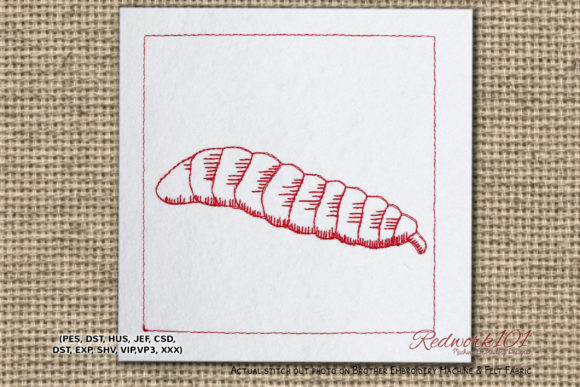
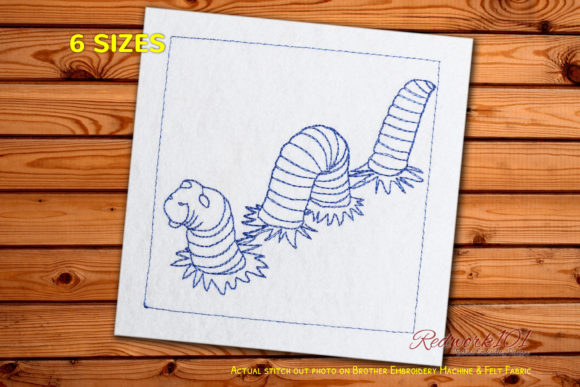
The moment you open the file in your digitizing software, the Belt Worm Lineart Design presents itself with a distinct lack of clutter. The term "lineart" suggests simplicity, and indeed, the design relies heavily on outlines rather than heavy fill areas. This creates a mood that is playful yet sophisticated. It avoids the childish aesthetic that often plagues bug-themed embroidery by keeping the lines crisp and the proportions balanced.
Visually, the design feels like it belongs in the realm of modern streetwear or minimalist home decor. It has a graphic quality that translates well from screen to fabric. When I imagine this on a canvas tote bag, it doesn’t look like a sticker slapped onto the surface; it looks like an intentional part of the garment’s architecture. The personality here is confident. It doesn’t try too hard to be cute. Instead, it offers a stylized representation of a worm—likely coiled or segmented—that reads clearly even from a distance.
This is crucial for any embroidery project aiming for a premium feel. If a customer picks up a sweatshirt or a baby onesie, they want to see that the design was chosen with care, not just downloaded because it was free. The Belt Worm Lineart Design passes this test by offering a silhouette that is instantly recognizable without requiring microscopic inspection to appreciate.
Real-World Application: Where This Design Shines
In my experience, the best machine embroidery design files are those that can adapt to multiple product types. This design excels in versatility. Here is how I see it performing in specific scenarios:
- Custom Apparel and Sweatshirts: On a heavyweight cotton hoodie, this lineart style pops beautifully. Because it likely uses satin stitches for the outer edges and perhaps running stitches for internal details, it sits flush against the fabric. It works particularly well as a chest pocket accent or a centered back print where it can breathe without competing with other graphics.
- Tote Bags and Canvas Products: For the Etsy seller or craft fair vendor, this is a goldmine. Canvas is a forgiving fabric, and the high contrast of thread against natural or black canvas makes the worm shape stand out. It adds value to a plain tote, turning it into a statement piece. Think of it as a tote bag design that appeals to plant lovers, gardeners, or anyone who appreciates quirky nature themes.
- Baby Items and Nursery Decor: There is a growing market for gender-neutral, whimsical nursery items. A subtle embroidered worm on a muslin blanket or a bib can be incredibly endearing. The lineart style ensures it doesn’t look aggressive or scary, which is a common concern with insect motifs. It becomes a soft, tactile element of a baby embroidery collection.
- Embroidered Patches: If you are creating detachable patches for denim jackets or backpacks, this design’s clear boundaries make it easy to cut out and finish. The embroidered patch market loves unique icons, and a belt worm offers a memorable brand identifier for small businesses.
Furthermore, this design fits seamlessly into the world of commercial embroidery. Whether you are producing orders for a local business or selling digital assets to other embroiderers, the clean lines mean fewer errors during stitching. Fewer thread breaks mean faster turnaround times and happier customers.
Where Caution Is Required
No design is perfect, and as a reviewer, I must highlight where this file might struggle. The Belt Worm Lineart Design is not a one-size-fits-all solution. You need to be strategic about where you place it.
First, consider the hoop size. While lineart is generally efficient, if the design is scaled too large, the internal details might become muddy. Conversely, if scaled too small, the charm is lost. Always check the recommended dimensions. Avoid placing this on highly textured fabrics like chunky knits or terry cloth unless you are using a heavy stabilizer, as the texture can distort the fine lines.
Stretchy fabrics present another challenge. Knits, such as those used for sweatshirt embroidery or athletic wear, require careful hooping and potentially tear-away or cut-away stabilizers to prevent distortion. If the worm is coiled tightly, stretching the fabric while stitching could warp the circle into an oval, ruining the symmetry.
Dark fabrics also demand attention. If your thread colors are not sufficiently contrasting, the design may disappear into the background. Test your thread colors thoroughly. White thread on black fabric works, but pastel threads on navy might get lost. Additionally, avoid using this design on curved surfaces like baseball caps unless you have specialized cap-hooping skills, as the curvature can cause puckering along the top edge of the design.
Practical Notes for the Embroidery Professional
Before you rush to produce hundreds of units, take these practical steps to ensure success:
- Test on Scrap Fabric: Never assume a design will work perfectly on your final material. Stitch it out on the exact fabric type you plan to use. Check for stability and thread tension.
- Review Stitch Density: Look closely at the digitizing. Are the satin stitches too dense? Dense stitching can cause fabric pull and visible backing through the thread. A lighter touch often yields a more professional result.
- Check Small Details: Zoom in on the digital preview. Are there tiny isolated stitches that might not catch the hook properly? These "jump stitches" can lead to loose ends and trimming issues.
- Mockup in Black and White: Convert your design mockup to grayscale. This helps you assess the contrast and balance of the shapes without being distracted by color choices.
- Confirm Licensing: This is critical for craft business owners. Ensure you have the rights to sell finished products made with this digital embroidery file. Some licenses restrict commercial use or require attribution.
By following these steps, you protect your reputation and your bottom line. The Belt Worm Lineart Design is a strong candidate for inclusion in your library, provided you respect its limitations and leverage its strengths.
Final Verdict
Ultimately, the Belt Worm Lineart Design succeeds because it understands its audience. It speaks to makers who want to create products that are fun but not frivolous. It bridges the gap between handmade product warmth and design asset precision. Whether you are adding it to a holiday gift collection, a spring clearance sale, or a year-round boutique inventory, this design brings a level of professionalism that elevates the entire finished product.
If you are looking for a personalized gift idea that stands out, or a reliable icon for your brand’s merchandise, give this design a spin. Just remember: the magic is in the execution. Good hoop placement, proper stabilizer choice, and quality thread will turn this simple lineart into a stunning piece of wearable art.