Baby Pilot Lineart Design Review
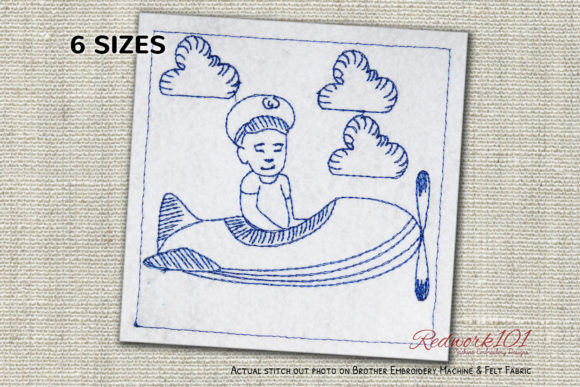
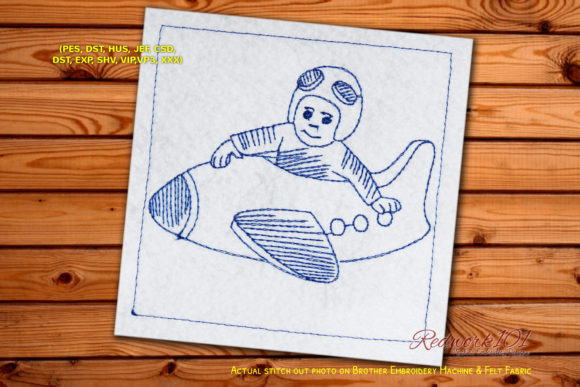
As an embroidery designer who spends hours tweaking stitch paths and testing tension, I approach every new download with a mix of excitement and skepticism. When I stumbled upon the Baby Pilot Lineart Design on Creative Fabrica, my initial curiosity was piqued by its clean aesthetic. The product description highlights that this is a lineart piece, featuring a "Baby Pilot" theme with an optional box stitch element. It notes that the outer box color may vary or be skipped depending on the specific file variation, which suggests flexibility in customization.
I decided to put this design through its paces before recommending it for real-world commercial use. Whether you are listing handmade goods on Etsy, preparing stock for a craft fair, or creating custom apparel for boutique clients, understanding the practical application of a design file is just as important as its visual appeal. Here is my honest evaluation of how the Baby Pilot Lineart Design performs in actual embroidery projects.
First Impressions and Visual Mood
The immediate strength of this embroidery file lies in its simplicity. In a market saturated with overly complex, multi-layered designs, there is a refreshing quality to a well-executed lineart piece. The "Baby Pilot" motif naturally lends itself to themes of adventure, dreams, and childhood milestones. Visually, it feels modern and minimalist, making it highly versatile for contemporary nursery decor or trendy baby gear.
Because it is described as lineart, the design likely relies heavily on satin stitch outlines or perhaps a combination of running stitch for delicate details. This approach often results in a lighter, airier feel compared to dense fill stitches. For designers looking to create a cohesive brand look—especially for gender-neutral or soft-toned collections—this design offers a strong foundation. The optional nature of the box stitch adds another layer of utility; if the box does not fit your specific aesthetic, you can easily omit it, allowing the pilot character to stand alone.
Performance in Real Embroidery Projects
To truly judge a design, we must look at how it translates from screen to fabric. I considered several potential applications for the Baby Pilot Lineart Design, ranging from small accessories to larger apparel items.
- Tote Bags and Market Totes: A simple lineart pilot works beautifully on canvas tote bags. The clean lines pop against natural cotton or linen backgrounds. It creates a playful yet sophisticated vibe that appeals to parents who want functional bags with a personal touch.
- Sweatshirt Embroidery: For crewneck sweatshirts, particularly those aimed at toddlers or young children, this design offers a cute focal point. However, placement is key. Center chest or left chest placements work best to maintain balance without overwhelming the garment.
- Kitchen Towels and Aprons: While primarily a baby theme, the whimsical nature of a "baby pilot" could translate surprisingly well to kitchen textiles for a child’s play area or as a humorous gift for a parent who loves to cook. The lineart style ensures it doesn’t look too childish when placed on a neutral-toned towel.
- Embroidered Patches: If the design includes a border or if you add one during digitizing, this makes an excellent patch for denim jackets or backpacks. The outline-heavy nature of lineart designs often reduces thread usage, making patches more affordable to produce.
Practical Considerations for Stitching
No design is perfect out of the box, and the Baby Pilot Lineart Design is no exception. Here are some technical notes to keep in mind before you start stitching.
Hoop Size and Scale: Lineart designs can sometimes suffer if they are too small. Fine details in the pilot’s face or uniform might get lost if the hoop size is limited. Always check the recommended dimensions on the Creative Fabrica product page. If the design is intended for a 4x4 hoop, ensure that the fine lines remain distinct and do not merge together due to fabric pull.
Stitch Density and Stability: Because this is a lineart piece, the stitch density is likely lower than traditional filled designs. This is generally good for delicate fabrics but requires careful stabilization. Use a high-quality cut-away stabilizer for knits like sweatshirts to prevent puckering. For woven fabrics like tote bags, a tear-away or water-soluble stabilizer might suffice, depending on the fabric weight.
Thread Color Contrast: The success of any lineart design hinges on contrast. If you are embroidering on dark fabric, you will need a light underlay or a contrasting thread color to make the lines visible. The product description mentions that the outer box color may differ; this implies that thread choice is flexible. Experiment with metallic threads for a premium look on caps or pillow covers, or stick to standard polyester threads for durability in frequently washed items like baby blankets.
Testing on Scrap Fabric: Never assume a digital mockup reflects reality. Always test the Baby Pilot Lineart Design on scrap pieces of your target fabric. Check for thread breaks, especially in tight corners of the lettering or pilot elements. Inspect the back of the hoop to ensure the stabilizer has been properly removed and that no stiff residue remains on the front of the fabric.
Impact on Product Value and Branding
For Etsy sellers and small business owners, the presentation of your product is half the battle. A well-executed embroidery project signals quality and attention to detail. Using a clean, professional design like the Baby Pilot Lineart Design helps build buyer trust. It shows that you have curated your assets carefully rather than downloading random, low-quality files.
This design is particularly effective for personalized gifts. Imagine a baby blanket embroidered with the pilot motif alongside the child’s name. The lineart style allows for easy integration of text without cluttering the design. Such personalized items command higher prices and generate better engagement on social media platforms like Instagram and Pinterest, where visual clarity is paramount.
Furthermore, the versatility of this design supports brand consistency. You can use the same pilot motif across different products—a matching set of a bib, hat, and onesie—creating a cohesive collection that looks professional and thoughtfully designed.
Licensing and Final Thoughts
Before using this design for commercial purposes, it is crucial to review the licensing terms provided on the Creative Fabrica product page. While many designs allow for commercial use of finished goods, some may restrict the resale of digital files or require attribution. Ensure you understand what you are allowed to sell, whether it is physical items like custom apparel or digital printable mockups.
In conclusion, the Baby Pilot Lineart Design is a solid addition to any embroidery designer’s library. Its clean aesthetic, flexibility with optional elements, and suitability for a wide range of products make it a valuable asset. It works well for machine embroidery design projects that prioritize elegance and simplicity over complexity. By paying attention to fabric choice, stabilization, and thread contrast, you can transform this digital asset into a beautiful, marketable handmade product that customers will love.
If you are looking to expand your offerings with charming, modern baby-themed items, this design is definitely worth downloading and testing. Just remember to always verify the specific file details and license agreement before launching your next collection.