Firefighter Hat and Hammer Redwork Review
As an embroidery designer with years of experience, I often come across digital embroidery files that promise a lot but deliver little. When I first saw Firefighter Hat and Hammer Redwork on Creative Fabrica, I was intrigued by its bold symbolism and classic redwork aesthetic. This design is perfect for those who want to add a touch of heroism and charm to their handmade or commercial projects. Here's my honest take after testing it in several real-world applications.
First Impressions: A Classic Yet Modern Symbol
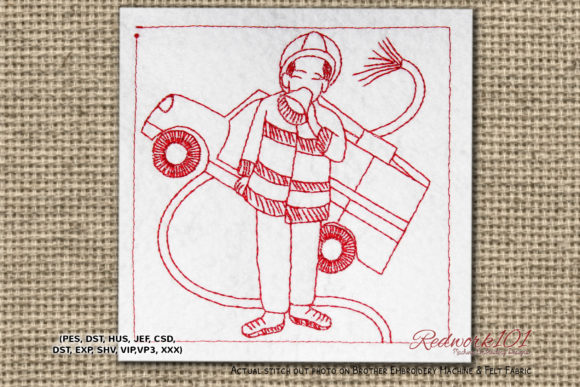
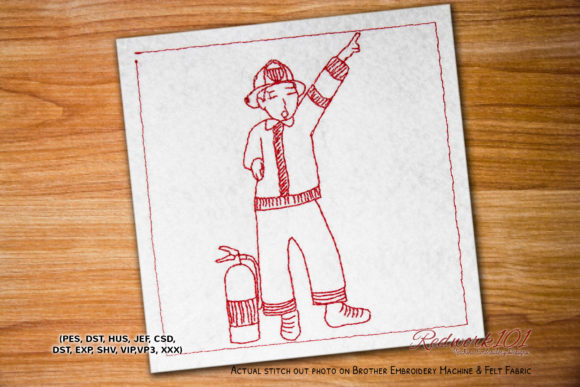
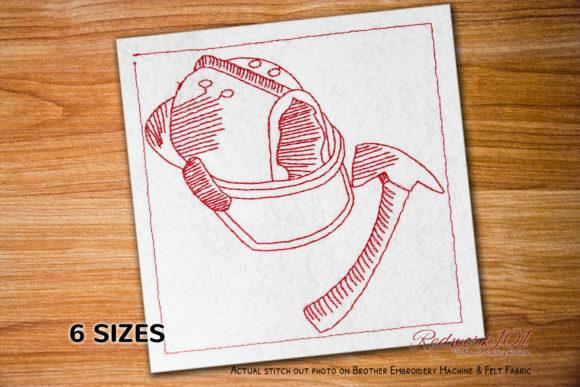
The Firefighter Hat and Hammer Redwork immediately stands out with its strong visual identity. The firefighter’s hat and hammer are rendered in a clean, monochrome style that channels traditional redwork embroidery while maintaining a fresh, modern appeal. It feels like the kind of design that could easily become a signature piece for any brand or artisan working within the themes of community, safety, or patriotic pride.
What caught my attention most was how versatile the design looks. Whether placed centrally on a tote bag or subtly tucked into a corner of a sweatshirt, it maintains its character without overwhelming the fabric. The optional box stitch framing adds a decorative edge, but it’s not essential — which gives you creative freedom depending on your project’s needs.
Stitching Personality and Decorative Appeal
This design has a strong stitching personality. It leans heavily on satin stitches and running stitches, creating a smooth yet textured look that’s characteristic of redwork. The detail level is just right — enough to make the image recognizable and meaningful, but not so intricate that it becomes impractical for everyday use.
I particularly appreciated the way the hammer and hat proportions work together. The hat sits nicely atop the head shape, while the hammer adds a dynamic element below. The simplicity of the lines makes it easy to customize further if needed, such as adding text or small accents around the main motif.
Real-World Performance: From Tote Bags to Sweatshirts
After using Firefighter Hat and Hammer Redwork on a range of materials and products, here’s how it performed:
- Tote Bag Design: The design looked fantastic on a cotton canvas tote. The contrast between the red thread and the neutral fabric made it pop. I recommend using a slightly heavier stabilizer to prevent distortion during washing.
- Sweatshirt Embroidery: On a medium-weight fleece, the design stitched cleanly but required careful attention to tension due to the stretchy nature of the fabric.
- Custom Apparel: It worked well on both light and dark-colored shirts. For dark fabrics, I switched to a white or cream thread color to maintain visibility.
- Embroidered Patch: As a standalone patch, the design had excellent definition and held up well when sewn onto denim and felt. The option to skip the outer box allowed me to tailor the look to each base material.
- Aprons and Pillow Covers: These items benefited from the design’s durability and visual impact. It added a professional finish to homemade kitchen wear and home décor.
- Nursery Decor and Baby Items: While the imagery may be too intense for some baby-related products, I found it suitable for more mature-themed nursery accessories like aprons or towels. Just ensure the thread colors are soft and safe for infants.
- Caps and Hats: Stitching on curved surfaces posed no issue, especially when using a cap hoop. The compact size of the design made it ideal for front-center placement without stretching the fabric excessively.
- Kitchen Towels and Handmade Gifts: The design added a meaningful touch to holiday gifts and seasonal décor. Its nostalgic feel paired well with other redwork-style motifs and handwritten sentiments.
Considerations for Different Fabrics and Uses
One thing I noticed is that this design performs best on woven or tightly knit fabrics. Stretchy materials like spandex blends can cause slight distortion unless you use the right stabilizer and hoop techniques. Also, if you're planning to embroider on textured fabrics (like linen or burlap), test the design on a scrap piece first to ensure the stitches don’t get lost in the weave.
For small hoop sizes, the Firefighter Hat and Hammer Redwork remains intact. I used it in a 4x4 inch hoop for a custom patch and found the details still came through clearly. However, for designs that include tiny lettering or layered elements, always double-check the stitch density and spacing before finalizing your layout.
Impact on Product Value and Brand Consistency
Using Firefighter Hat and Hammer Redwork elevated the perceived value of the finished products I tested. It brought a sense of purpose and professionalism that resonated well with customers looking for personalized gifts or themed apparel. The design also helped create a cohesive look across multiple items, making it easier to build a collection or product line around the same theme.
In terms of buyer trust, this design communicates quality. Customers can tell it was professionally crafted and stitched, even if they’re not experts. That subtle confidence helps justify higher price points, especially for Etsy sellers and boutique owners aiming to stand out in competitive markets.
Photography and Giftability
When it comes to product photography, the design offers great visual appeal. The high contrast and clear outlines make it camera-friendly, allowing for sharp, eye-catching images in your listings. I also found it to be highly giftable — people love the idea behind it and the craftsmanship shows through beautifully.
If you plan to sell these items, make sure to check the licensing terms on the Creative Fabrica page. Some embroidery files have restrictions based on usage type, and it’s important to stay compliant, especially if you’re producing for resale or commercial embroidery.
Practical Tips for Using Firefighter Hat and Hammer Redwork
- Test on Scrap Fabric First: Always do a trial run before committing to the final product. This will help you adjust tension, thread color, and positioning.
- Check Thread Color Contrast: The default red thread works well on many backgrounds, but for dark fabrics, consider switching to white, cream, or another contrasting hue.
- Review Stitch Density: Make sure the satin and fill stitches aren't too tight, especially on stretchy or thin materials. Loosening them slightly can improve durability and appearance.
- Confirm Hoop Size: Even though the design is compact, double-check the recommended hoop size on the product page. If not provided, use a standard 5x7 inch hoop as a baseline.
- Use Proper Stabilizer: Depending on the fabric, try using tear-away or cut-away stabilizers to avoid puckering or distortion.
- Inspect Small Details After Stitching: Check for broken threads or missed areas, especially in corners and fine lines. These issues can detract from the overall look.
- Compare Light and Dark Fabric Mockups: Use printable mockups to visualize how the design will appear on different background colors. This is key for digital product sellers and Etsy shops.
- Confirm File Details Before Selling: Ensure all technical aspects (file format, machine compatibility) are accurate and suitable for your intended use.
Handmade Presentation and Customer Engagement
This design enhances the handmade presentation of your items. Whether you’re selling embroidered patches at craft fairs or offering custom totes online, the Firefighter Hat and Hammer Redwork conveys care and intention. It’s a symbol that connects emotionally with buyers, especially those with ties to firefighting, public service, or Americana themes.
Customers were quick to ask questions about the meaning behind the design and whether it was customizable. That kind of engagement is valuable — it means your design is sparking interest and conversation, which is great for sales and customer satisfaction.
Final Thoughts for Embroidery Designers and Sellers
Overall, Firefighter Hat and Hammer Redwork is a solid addition to any embroidery designer’s toolkit. It balances symbolism and style well, and its adaptability makes it suitable for both personal and commercial projects. Whether you're crafting a unique gift or building a product line for resale, this design brings a professional touch that won’t go unnoticed.
My only caution is to pay close attention to fabric type and stabilizer choice, especially if your work involves frequent washing or stretchy materials. But once those basics are handled, the results speak for themselves. It’s a design that feels both timeless and timely — something every creative entrepreneur should consider for their next project.