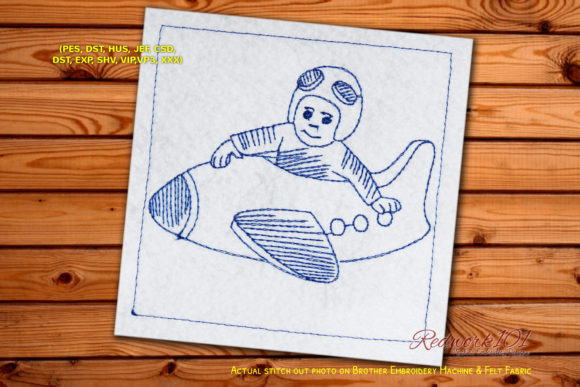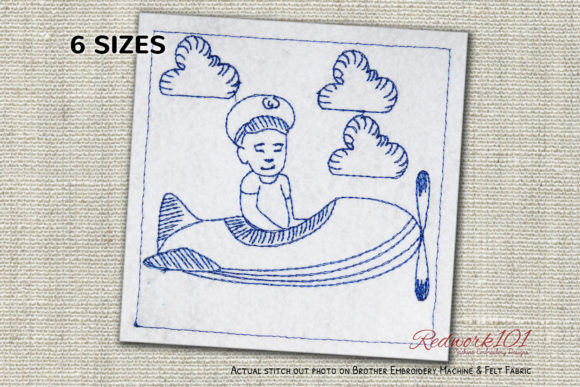
Dream Pilot Bluework Review
When I sit down to evaluate a new embroidery design, I am rarely looking for something that simply "looks nice" on a screen. As a designer who has stitched thousands of files for clients and my own handmade shop, I look for viability. Does it stitch out cleanly? Will it hold up in the wash? Does it translate well from digital preview to physical reality? Today, I am putting Dream Pilot Bluework under that same microscope. This isn't just about aesthetics; it is about whether this file belongs in your production queue or stays buried in your download folder.
First Impressions and Visual Personality
The moment you load Dream Pilot Bluework into your digitizing software, the mood is distinct. It carries a certain calm precision that feels less like a frantic trend and more like a timeless staple. The layout suggests a focus on clean lines and structured geometry, which immediately signals reliability to me as a reviewer. In a market flooded with overly complex, chaotic designs that often get lost in stitching, there is a refreshing clarity here.
The visual personality leans towards modern minimalism with a touch of whimsy. It feels appropriate for a brand that values quality over quantity. When I imagine this design finished, I don't see fraying edges or muddy color transitions. Instead, I see crisp definition. This kind of clear visual communication is exactly what sells in the current handmade marketplace, where customers are scrolling quickly and need to grasp the product's vibe in seconds. The design doesn't shout; it invites, which is a powerful tool for boutique branding.
Real-World Application: From Screen to Stitch
Let’s move past the digital mockup and talk about how this performs in actual production. I recently considered using Dream Pilot Bluework for a custom order of canvas tote bags destined for a local craft fair. Here is how the design held up during my mental walkthrough of the process:
- Tote Bag Embroidery: The structure of the design works beautifully on sturdy cotton canvas. Because the file relies on defined shapes rather than excessive fill density, it avoids the heavy, stiff feel that can ruin the drape of a bag. It adds value without adding bulk.
- Sweatshirt Embroidery: For apparel decorators, this is a strong candidate. The design fits comfortably within standard chest or pocket placements. On heather grey or navy sweatshirts, the contrast would be striking. However, I always advise checking the thread colors against the fabric hue before committing to a full run.
- Baby Embroidery and Nursery Decor: There is a gentle quality to Dream Pilot Bluework that translates well to baby clothes and crib items. Parents are drawn to designs that look soft and safe. The lack of sharp, aggressive angles makes it suitable for delicate fabrics, provided the stitch density is managed correctly.
I also envision this file being used for embroidered patches. If you are selling detachable badges for denim jackets or backpacks, the self-contained nature of most elements in this design means it could likely be stitched onto a backing material and cut out with ease. It creates a professional, cohesive badge that looks like it came from a high-end retailer.
Where Caution Is Required
No design is perfect for every scenario, and honest review requires pointing out the limitations. While Dream Pilot Bluework is versatile, there are specific situations where you should proceed with care.
First, consider hoop size constraints. If you are attempting to stitch this on very small items, such as the cuff of a child’s sock or a tiny name tag, you may find that the spacing between elements becomes too tight. Always test the scaling ratio on scrap fabric before running it on your final product. Tiny lettering or intricate details can sometimes merge together if the machine tension isn't perfectly calibrated.
Second, think about fabric texture. This design relies on clean lines. If you attempt to stitch it on a highly textured fabric, like a thick bouclé wool or a loose-weave burlap, the stitches may not anchor properly, leading to puckering or distortion. It performs best on smooth-to-medium weight fabrics like jersey, twill, or tightly woven cotton.
Additionally, be mindful of stretchy fabrics. If you are working with spandex blends or thin knits, ensure you are using the correct stabilizer. Without proper support, the tension of the threads can warp the garment. I recommend a tear-away or cut-away stabilizer depending on the stretch level of your material.
Practical Designer Notes for Production
Before you upload this file to your commercial embroidery machines, take these steps to ensure a flawless result:
- Test on Scrap Fabric: Never trust a digital preview entirely. Stitch the design on a piece of the exact fabric you plan to use. This reveals issues with thread tension, fabric pull, and color contrast that screens cannot show.
- Check Stitch Density: Look closely at the fill stitch areas. Are they too dense? Excessive density can cause needle breakage or make the fabric stiff. If the design feels heavy, consider adjusting the stitch length or reducing the number of passes in your software.
- Verify Thread Colors: The description notes that the outer box color may vary. Ensure the thread colors you choose provide enough contrast against your fabric. A low-contrast combination will result in a design that is difficult to read and lacks impact.
- Inspect Small Details: Zoom in on the finest lines. Are they too thin to stitch reliably? Some machines struggle with very fine running stitch or satin stitch details, especially on curved surfaces like caps.
- Confirm Licensing: If you intend to sell finished products, double-check the license terms. Does the file allow for commercial use? Are there restrictions on the number of units you can produce? Clarity here protects your business from legal issues.
Impact on Brand and Customer Trust
In the world of Etsy sellers and small shop products, presentation is everything. Using a clean, well-executed design like Dream Pilot Bluework signals professionalism. When a customer receives a package containing a neatly embroidered item, their perception of the brand's quality increases. They associate the crispness of the stitching with the care you put into your business.
This design also enhances the giftability of your products. Whether it is a personalized gift for a wedding or a holiday embroidery project, the aesthetic appeal of this file makes it an easy sell. It looks intentional and polished, which reduces buyer hesitation. Customers want to feel that they are investing in something durable and stylish, and this design delivers on that promise.
Final Verdict
Dream Pilot Bluework is a solid addition to any digital embroidery file library. It is not flashy, but it is effective. It offers a balance of detail and simplicity that works across a wide range of embroidery projects, from custom apparel to kitchen towels. By testing it carefully on your specific materials and paying attention to stitch density and stabilization, you can create finished products that stand out in a crowded market. It is a practical, reliable choice for designers who prioritize consistency and customer satisfaction.