Devil Mask Design Review
As a designer who spends more time looking at stitch lines than actual costumes, I approach every new embroidery file with a mix of skepticism and curiosity. When Devil Mask Design landed on my desk, I didn’t just see a spooky graphic; I saw a potential product for the upcoming season. The Halloween market is saturated, so the difference between a bestseller and a dead-end listing often comes down to execution, detail, and how well the design translates from screen to fabric.
I wanted to test this machine embroidery design not just as a standalone image, but as a functional asset for real-world applications. Would it hold up on a cotton tote bag? Would it look professional on a child’s sweatshirt? Or would the details get lost in the stitching process? Here is my honest breakdown of how this design performs in practical scenarios.
First Impressions and Visual Personality
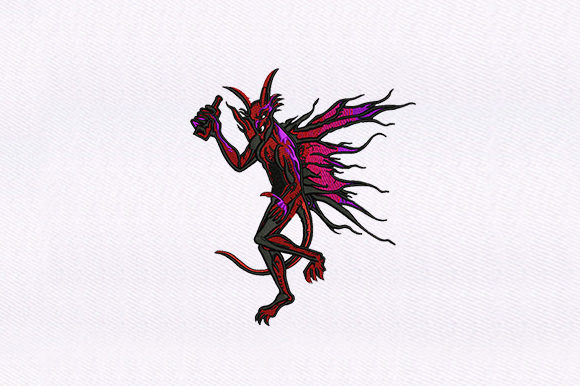
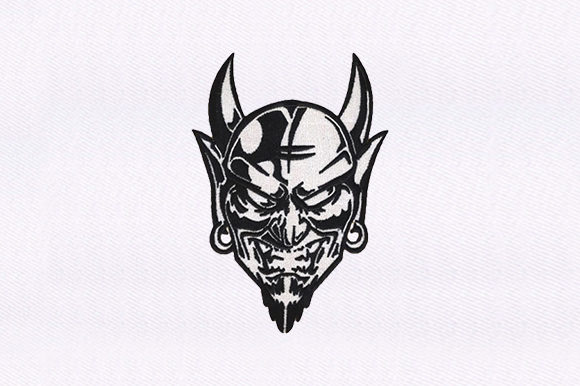
The immediate appeal of Devil Mask Design lies in its bold silhouette. In the world of embroidery project planning, complexity can be a double-edged sword. Too simple, and it looks generic; too complex, and you risk thread breaks or poor definition on smaller items. This design strikes a balance that feels intentional. The curves suggest movement, and the angles provide enough contrast to catch the eye without requiring an excessive number of thread changes.
Mood-wise, it leans into playful rather than terrifying. For a small business owner targeting families or craft fair attendees, this is crucial. It fits perfectly into the "cute creepy" aesthetic that dominates Halloween decor today. It feels like a design that belongs on a handmade product meant to spark conversation, whether it’s hanging on a front door or being worn by a toddler at a party.
From a layout perspective, the negative space is handled well. This gives the embroiderer room to breathe, both literally and figuratively. It allows for clean placement on garments like custom apparel or home goods like kitchen towels without feeling cramped. The visual weight is centered, making it versatile for various placements, from the chest of a hoodie to the center of a pillow cover.
Real-World Application Scenarios
To truly evaluate an embroidery file, you have to imagine it on a finished item. Let’s walk through a few specific use cases where this design could shine.
- Custom Tote Bags: A canvas tote featuring Devil Mask Design is a classic Etsy seller staple. The sturdy fabric provides a stable base for the stitches, ensuring that the satin stitch edges remain crisp. It adds a touch of personality to a utilitarian item, making it a great impulse buy for shoppers.
- Baby and Kids’ Apparel: Think about a onesie or a small sweatshirt. The design’s slightly whimsical nature works well here. However, placement is key. Centered on the chest or off-center on the sleeve, it creates a personalized gift feel that parents love. Just ensure the size relative to the garment isn’t overwhelming.
- Holiday Gifts and Decor: Beyond clothing, this design translates beautifully to home accents. Imagine it embroidered on a flannel tea towel for a kitchen set, or on a felt patch attached to a backpack. These items have high perceived value because they feel thoughtful and seasonal.
- Commercial Merchandise: For those running a craft business, this design offers scalability. It works as part of a bundle—perhaps paired with complementary motifs—or as a standalone SKU. Its broad appeal means it doesn’t niche down too hard, allowing for wider marketing reach during the autumn months.
Where Caution Is Required
No design is perfect for every situation. There are specific contexts where Devil Mask Design might present challenges that require careful consideration.
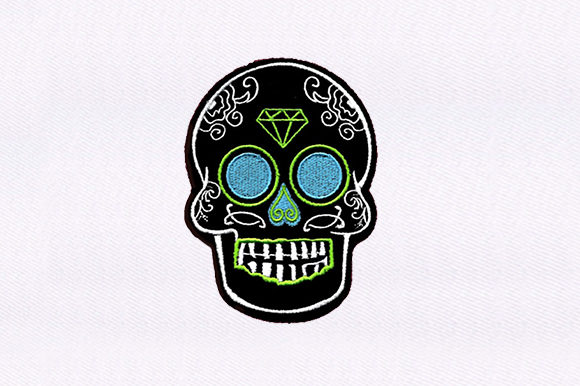
Small Hoop Sizes: If you are working with a 4x4 hoop or smaller, you need to verify that all critical details of the mask are included within the digitizing limits. Tiny horns or intricate lacework might become muddy if the scale is too small. Always check the bounding box before committing to production.
Fabric Texture and Stretch: Embroidering on stretchy knits or highly textured fabrics like chunky wool requires extra stabilization. Without proper stabilizer support, the fill stitch areas may pucker, distorting the shape of the mask. Similarly, on very thin fabrics, the density of the stitches might show through to the reverse side, which can be uncomfortable against the skin.
Dense Stitch Areas: While the design is generally balanced, any area with heavy fill stitch concentration needs to be monitored. On dark fabrics, thick layers of thread can sometimes create a stiff, board-like texture. Test this on scrap material to ensure the hand-feel remains acceptable for the intended end-use.
Curved Surfaces: Attempting to embroider this directly onto a curved surface like a baseball cap can be tricky. The flat nature of the design might not follow the curve naturally, leading to gaps or tension issues. It is often better to embroider the design flat and then apply it as an embroidered patch using iron-on backing or sewing.
Practical Designer Notes for Success
Before you load this file into your machine, there are several steps to take to ensure a professional result. First and foremost, test the design on scrap fabric first. This is non-negotiable. You need to see how the threads interact with your specific fabric choice.
Thread Color Contrast: The visual impact of Devil Mask Design relies heavily on color. On a black background, bright reds or whites will pop, but on a navy blue background, the contrast might be lower. Review the design in black and white mockups to check for clarity. Ensure your thread colors provide enough distinction between the different elements of the mask.
Stitch Density and Hoop Size: Check the technical specifications of the file. Confirm the recommended hoop size and review the stitch density. If the density is high, you may need to adjust your tension settings or use a cut-away stabilizer for better stability. Inspect small details closely; if any parts seem too fine, consider simplifying the design digitally or choosing a larger placement area.
Licensing and Commercial Use: As a creator selling design assets or finished goods, you must understand the licensing terms. Does the purchase allow for commercial use of the physical products? Can you sell digital mockups? Confirm these details with the provider to avoid legal issues later. This protects your reputation as a trustworthy digital product seller.
Final Verdict
Devil Mask Design is a solid addition to any embroiderer’s library for the fall season. It balances artistic flair with practical stitchability, making it suitable for a wide range of projects from aprons to nursery decor. Its versatility allows it to fit seamlessly into boutique branding or personal crafting sessions alike.
By paying attention to fabric choice, stabilization, and color contrast, you can transform this digital file into a high-quality finished product that customers will appreciate. It’s not just a Halloween decoration; it’s a tool for creating memorable, handmade experiences. Whether you are an Etsy seller looking to boost your shop’s visibility or a hobbyist making gifts for friends, this design offers a reliable foundation for creativity.
Remember, the success of your embroidery project often depends on the preparation. Take the time to test, refine, and present your work professionally. With the right approach, Devil Mask Design can help you create items that stand out in a crowded market, driving engagement and trust with your buyers. Happy stitching!