Winged Red Devil Embroidery Review
As an embroidery designer who has spent years turning digital concepts into tactile brand assets, I look at every new file with a critical eye. We are not just looking for something that looks good on a screen; we are evaluating whether it will hold up in production, resonate with customers, and elevate the perceived value of small business merch. Today, I am reviewing the Winged Red Devil, a design categorized under Halloween and Embroidery, to determine its viability for professional commercial use.
First Impressions and Visual Personality
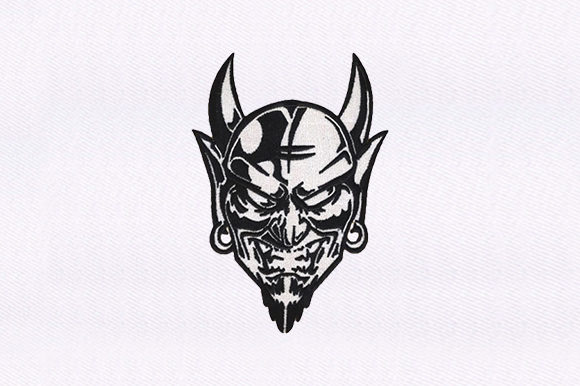
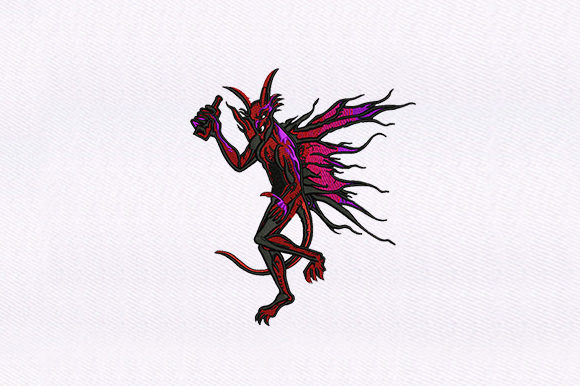
The title "Winged Red Devil" immediately suggests a bold, high-contrast aesthetic. In the world of machine embroidery design, names often dictate the color palette and stylistic approach. This design likely features strong reds, deep blacks, and perhaps gold or white accents to create a striking visual impact. For a small business owner, this is significant because it signals a playful yet edgy personality.
When I first visualize this embroidered patch, I see potential for brands that want to stand out. It does not feel like a subtle, corporate logo. Instead, it feels like a statement piece. The inclusion of wings adds a dynamic element, suggesting movement and freedom, which can be powerful for creative studios, craft businesses, or boutique apparel lines. However, the "Devil" aspect introduces a thematic edge that requires careful consideration regarding brand identity. Is your brand friendly and approachable, or is it rebellious and bold? The Winged Red Devil leans heavily toward the latter, making it an excellent choice for niche markets but potentially risky for conservative industries.
Real-World Business Applications
To truly understand the value of this digital embroidery file, we must look at how it performs across various merchandise categories. Here is how I would deploy the Winged Red Devil in a real-world commercial setting:
- Embroidered Patches: This design shines as a detachable patch. Whether sewn onto denim jackets, leather bags, or canvas totes, a winged motif translates beautifully to patch format. It allows customers to customize their own gear, fostering deeper engagement with your brand.
- Staff Uniforms and Aprons: For a trendy café, bakery, or florist with an alternative vibe, placing a smaller version of this design on the chest pocket of a black apron can create a cohesive team identity. It adds a touch of professionalism while maintaining a fun, handmade product aesthetic.
- Cap Embroidery: The curved surface of a cap front is perfect for a centered winged design. If the file includes balanced symmetry, it will sit naturally on baseball caps or beanies, serving as a recognizable mark for event merch or loyal customer giveaways.
- Tote Bag Design: Canvas tote bags are a staple for Etsy sellers and craft fair vendors. A large-scale application of the Winged Red Devil on the back or front of a tote bag acts as a walking billboard. The contrast between the fabric texture and the dense thread work creates a premium feel.
- Product Packaging Accents: Small details matter. Using this design as a label on gift tags, hang tags, or even embroidered directly onto the inside neck tag of custom apparel can elevate the unboxing experience. It shows attention to detail and reinforces brand recognition.
Strategic Considerations and Limitations
While the Winged Red Devil has strong visual appeal, there are specific areas where caution is required. As a designer, I always advise testing designs before committing to bulk production.
Small Patch Sizes: If you intend to use this design on very small patches (under 2 inches), intricate details may get lost. The wings and any facial features need enough space to breathe. If the stitch density is too high for a small area, the fabric may pucker, ruining the finished product.
Curved Surfaces and Caps: When embroidering on curved surfaces like caps, the design must be digitized specifically for that curve. A flat design applied to a curved surface can appear distorted. Ensure the file is optimized for cap embroidery to maintain the integrity of the wing shapes.
Fabric Texture and Dark Uniforms: The effectiveness of this design relies heavily on thread colors. On dark uniforms or black apparel, lighter threads (white, gold, light gray) will provide necessary contrast. However, if the fabric texture is too coarse, fine details might disappear. Always test on the actual material you plan to use.
High Stitch Density: Designs with many solid fills can become stiff and heavy. For items like lightweight t-shirts or delicate tote bags, excessive density can cause discomfort or sagging. Review the file specifications to ensure the stitch count is appropriate for the garment type.
Impact on Brand Identity and Customer Trust
Incorporating a distinctive design like the Winged Red Devil into your brand identity sends a clear message. It tells customers that your brand is confident, creative, and willing to embrace unique aesthetics. This can significantly boost buyer engagement, especially among demographics that appreciate handmade products and artisanal quality.
Professionalism in embroidery is not just about neat stitches; it is about consistency. Using a well-executed embroidery file demonstrates that you care about the quality of your offerings. When customers receive a product with a clean, durable, and visually appealing design, their trust in your brand increases. They perceive higher value in the item, which can justify premium pricing and encourage repeat purchases.
Furthermore, seasonal relevance plays a role. While categorized under Halloween, a stylized winged devil can transcend the holiday if used as a permanent brand mascot or logo accent. This versatility extends the lifespan of your design assets beyond October, providing long-term return on investment.
Practical Designer Notes for Production
Before you upload this file to your embroidery machine, follow these essential steps to ensure success:
- Test in Black and White: Convert the design to monochrome to check contrast and balance. If it reads clearly without color, it will work well in various thread combinations.
- Check Hoop Size Compatibility: Confirm the maximum dimensions of the design. Ensure it fits within your standard hoop sizes (e.g., 4x4, 5x7, 8x12) to avoid resizing issues that could distort the artwork.
- Review Thread Color Contrast: Select thread colors that pop against your target fabric. For the Winged Red Devil, consider using metallic threads for highlights to add a premium touch.
- Inspect Spacing and Density: Look closely at the digitization. Are there any areas where stitches overlap unnecessarily? Is there adequate spacing between elements to prevent thread breaks?
- Use Proper Stabilizer: The choice of stabilizer (cut-away vs. tear-away) depends on the fabric. For stretchy knits or heavy denim, a cut-away stabilizer provides better long-term support.
- Create a Printable Mockup: Before cutting fabric, generate a printable mockup to show clients or stakeholders. This helps visualize the final product and confirms approval before production begins.
- Confirm Commercial Licensing: Most importantly, verify the licensing terms of the digital embroidery file. Ensure you have the right to sell physical products made from this design. The provided formats (10O, ART, CND, DSB, DST, DSZ, EXP, HUS, JEF, PCS, PEC, PES, TAP, VIP, VP3, XXX) indicate broad compatibility, but legal rights are separate.
The Winged Red Devil offers a compelling option for businesses seeking to inject personality and boldness into their merchandise. By carefully considering placement, fabric, and production techniques, you can transform this design into a powerful tool for brand building and customer connection. Always prioritize quality control and proper preparation to ensure every finished product reflects the high standards your business promises.