Rocket Ship Design: A Designer’s Review for Merch and Patches
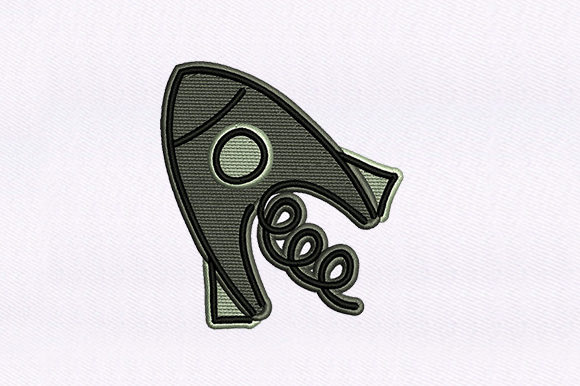
As an embroidery designer who has spent years turning digital files into tangible brand assets, I look at every new design with a critical eye. It is not just about whether the image looks good on a screen; it is about how it translates to thread, how it holds up on fabric, and whether it adds value to a small business’s product line. Today, I am reviewing the Rocket Ship Design, a machine embroidery file listed under the Toys category. While the categorization suggests a playful or children’s focus, the potential applications for branded merchandise, patches, and custom apparel are far broader. This review focuses on how this embroidery file performs in real-world commercial scenarios.
First Impressions: Visual Personality and Professional Appeal
When you first load a Rocket Ship Design into your digitizing software, the immediate question is always one of aesthetic alignment. Does it feel premium? Is it bold enough to stand out on a tote bag? Based on the title and typical characteristics of designs in this genre, this file likely leans towards a playful yet dynamic visual identity. For a small business owner—whether running a boutique, a creative studio, or a handmade shop—this design offers a sense of adventure and forward motion.
In the context of brand identity, a rocket ship symbolizes growth, innovation, and reaching new heights. It is an excellent motif for tech startups, educational brands, or even bakeries that want to convey a sense of "blast off" with their new products. However, because it falls under the Toys category, there is a risk that it may appear too juvenile for certain professional uniforms. The key is in the execution. If the stitching is clean and the proportions are balanced, this machine embroidery design can bridge the gap between fun and functional, making it suitable for both handmade product labels and staff apparel.
Real-World Applications for Small Business Merch
The versatility of a well-digitized embroidery file cannot be overstated when building a merchandising strategy. Here is how the Rocket Ship Design can be integrated into various business assets:
- Embroidered Patches: One of the most popular uses for this type of design is creating iron-on or sew-on patches. These are perfect for denim jackets, backpacks, and caps. A rocket ship patch adds a customizable touch to customer gifts or loyalty rewards, enhancing customer trust through personalized details.
- Apron Embroidery: For cafes, bakeries, or florists, aprons are essential workwear. Placing a smaller version of the Rocket Ship Design on the chest pocket or lower hem can add a unique signature to your team’s uniform. It transforms standard workwear into branded marketing tools.
- Cap Embroidery: Baseball caps remain a staple in small business merch. The curved surface of a cap requires careful placement. If the design includes clear directional elements (like the rocket pointing upward), it works exceptionally well on the front panel, drawing the eye and reinforcing a positive brand message.
- Tote Bag Design: Canvas totes are ubiquitous in the craft and retail world. A tote bag design featuring this rocket ship can serve as a walking billboard. Ensure the stitch density is appropriate for canvas fabric to prevent puckering while maintaining visibility.
- Custom Apparel: From hoodies to t-shirts, this design can be used for limited-edition drops. Whether it is for a launch event or a seasonal collection, the dynamic nature of the rocket appeals to a wide demographic, including teens and young adults.
Where to Use with Caution: Technical Considerations
Not every application is created equal. As a designer, I must advise caution in specific scenarios where the integrity of the digital embroidery file might be compromised by physical limitations.
- Small Patch Sizes: If you plan to produce patches smaller than two inches, scrutinize the fine details. Tiny lettering or intricate outlines may merge together, resulting in a muddy appearance. Always test the design at its intended production size.
- Curved Surfaces: When embroidering on items like caps or sleeves, the curvature can distort straight lines. You may need to adjust the hooping technique or use a flexible stabilizer to maintain the shape of the rocket.
- High Stitch Density: Check the stitch count within the design. High density can make fabric stiff and uncomfortable, especially on lightweight tees or delicate aprons. If the design feels too heavy, consider reducing the fill stitches or using a lighter underlay.
- Dark Uniforms: Contrast is king. If your base garment is dark, ensure the thread colors provide sufficient contrast. White or bright yellow threads often work best against black or navy backgrounds to ensure the design pops.
- Frequent Washing: For items that will undergo industrial laundering, such as restaurant aprons, ensure the design has proper edge finishes to prevent fraying. Poorly finished edges can lead to premature wear and tear, damaging your brand identity.
Impact on Brand Identity and Customer Trust
Quality embroidery signals professionalism. When a customer sees a crisp, well-executed embroidered patch or logo, they perceive higher value in the product. The Rocket Ship Design, when executed correctly, enhances visual consistency across your product line. It tells a story of ambition and creativity, which resonates with buyers who appreciate attention to detail.
Furthermore, using a unique design asset helps differentiate your brand in a crowded marketplace. Whether you are selling on Etsy or running a local boutique, having distinctive design assets like this rocket ship helps build recognition. Customers remember the experience of touching a textured, embroidered logo more than they remember a printed graphic. This tactile engagement fosters deeper buyer engagement and loyalty.
Practical Notes for Embroidery Designers
Before committing to full-scale production, follow these practical steps to ensure success:
- Test in Black and White: View the design in grayscale to check balance and contrast without the distraction of color.
- Check Spacing: Ensure there is adequate space between different elements of the design to prevent stitching collisions.
- Confirm Hoop Size: Verify that the design fits within your standard hoop sizes to avoid mid-stitch re-hooping errors.
- Use Proper Stabilizer: The choice of stabilizer (cut-away vs. tear-away) depends heavily on the fabric texture and stretch of your material. Incorrect stabilization leads to puckering and misalignment.
- Create a Printable Mockup: Before cutting fabric, create a printable mockup to visualize the design on the actual product. This allows for client approval and reduces waste.
- Review File Formats: The product description lists extensive formats including 10O, ART, CND, DSB, DST, DSZ, EXP, HUS, JEF, PCS, PEC, PES, TAP, VIP, VP3, and XXX. Ensure your embroidery machine supports the specific format you purchase. If you are unsure, contact the seller to confirm compatibility.
- Commercial Licensing: Always confirm the licensing terms before using the design for commercial embroidery projects. Some files are for personal use only, while others allow for unlimited sales.
In conclusion, the Rocket Ship Design is a versatile addition to any embroidery file library. With careful planning and technical precision, it can elevate everything from custom apparel to product packaging accents. By treating it as a strategic brand asset rather than just a decorative element, you can maximize its impact on your bottom line.